Inside the Thinking Machines Meltdown
Thinking Machines Corporation was a pioneering company in the field of supercomputing, known for its innovative parallel processing technology. However, by the mid-1990s, the company faced significant challenges that led to its decline and eventual closure. This period is often referred to as the “Thinking Machines meltdown.”
Founding and Innovations
Founded in 1982 by Danny Hillis and others, Thinking Machines aimed to create a new class of supercomputers based on parallel processing. Their flagship product, the Connection Machine, was designed to handle complex computations by distributing tasks across many processors.
Initial Success
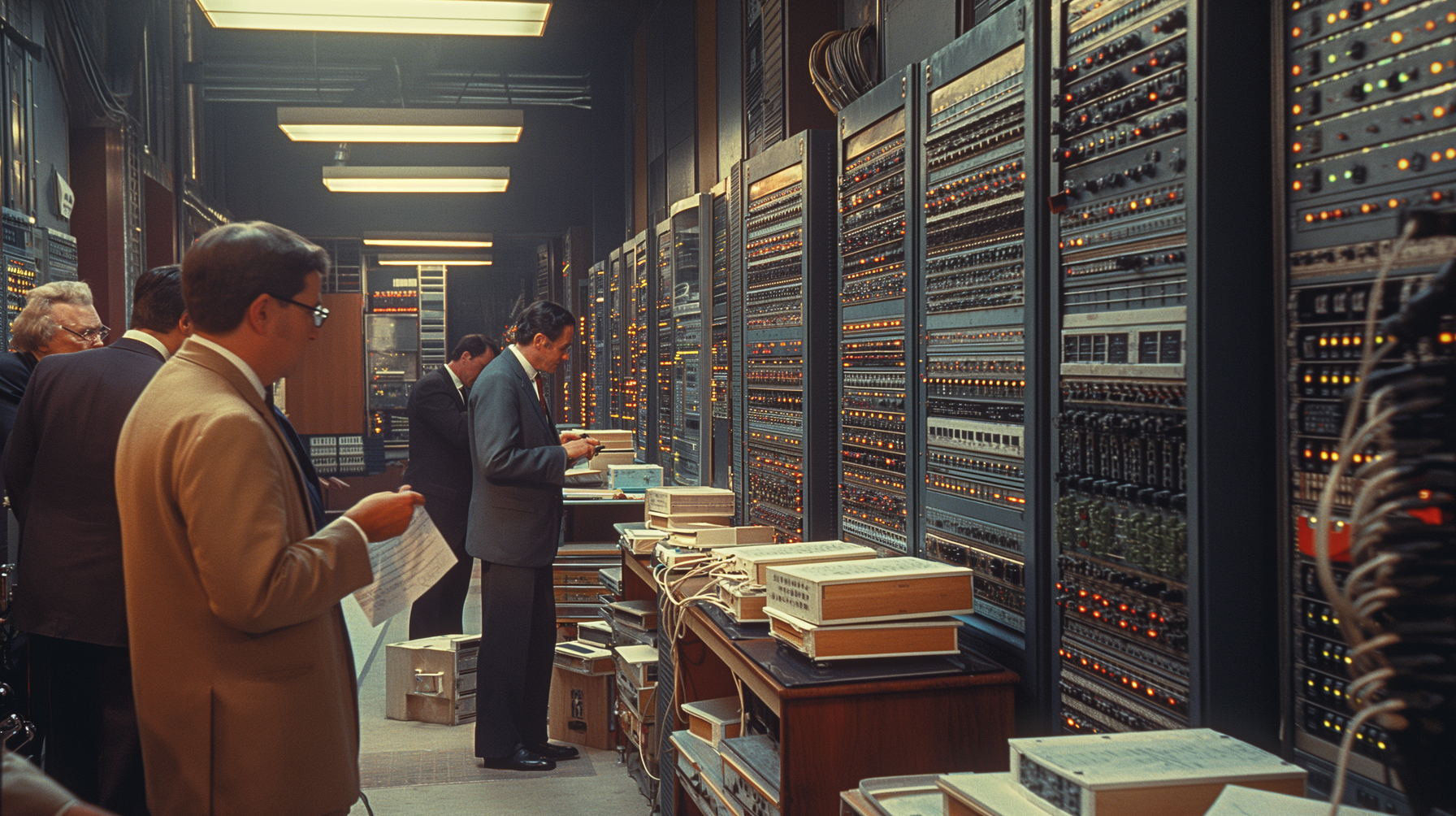
The Connection Machine gained attention for its unique architecture and was used in various research institutions and universities. It was particularly noted for its ability to perform tasks in artificial intelligence and simulations.
Market Challenges
Despite initial success, the company struggled to maintain its market position. The rise of more cost-effective computing solutions and the increasing capabilities of traditional supercomputers posed significant competition. The company also faced challenges in scaling its technology and adapting to the rapidly changing landscape of computing.
Financial Struggles
By the early 1990s, Thinking Machines was experiencing severe financial difficulties. The company had invested heavily in research and development but was unable to generate sufficient revenue to sustain its operations. In 1994, the company laid off a significant portion of its workforce and attempted to pivot its business model, but these efforts were largely unsuccessful.
Closure
In 1996, Thinking Machines Corporation officially ceased operations. The company’s assets were sold off, and its technology was largely absorbed by other companies or became obsolete.
Legacy
Despite its downfall, Thinking Machines left a lasting impact on the field of computing. The concepts of parallel processing and distributed computing that the company championed continue to influence modern computing architectures.
References
- Wired - Thinking Machines Meltdown
- The Verge - Thinking Machines History
- Computer History Museum - Thinking Machines and the Meltdown of the 1990s