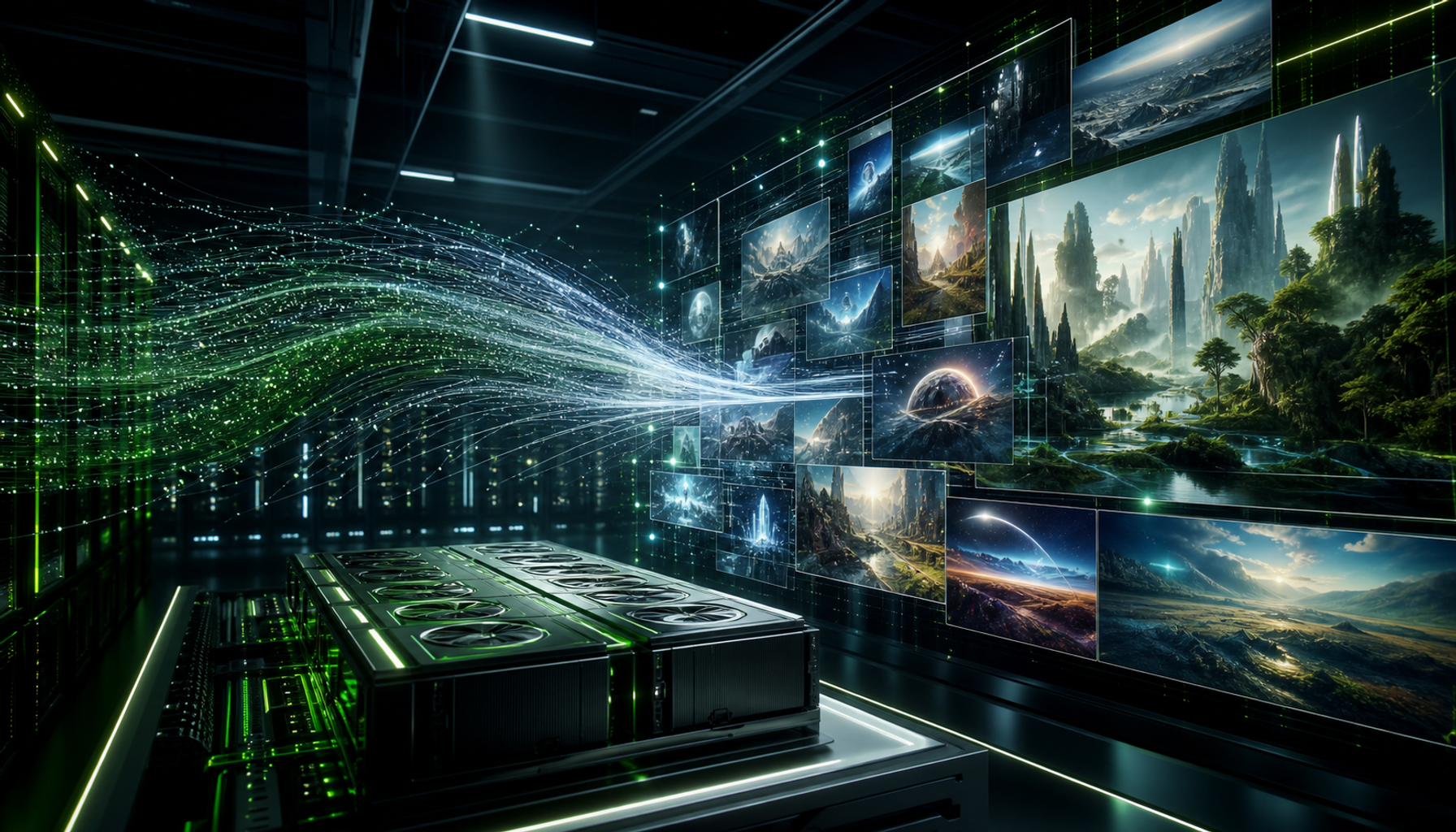
Nvidia Releases Cosmos3-Super-Text2Image Model with 64 Billion Parameters
Nvidia has recently unveiled its latest model, the Cosmos3-Super-Text2Image, which boasts an impressive 64 billion parameters. This model is designed to enhance the capabilities of text-to-image generation, allowing for more detailed and contextually relevant images based on textual descriptions.
Key Features and Innovations
Scale and Complexity
The Cosmos3 model is one of the largest text-to-image models to date, with 64 billion parameters, significantly surpassing its predecessors. This scale allows for improved understanding and generation of complex images from textual prompts.
Enhanced Image Quality
The model is engineered to produce high-resolution images with greater fidelity to the input text. This is achieved through advanced training techniques and a vast dataset that includes diverse image-text pairs.
Applications
The Cosmos3-Super-Text2Image model is expected to have a wide range of applications, including:
- Creative industries (art, design)
- Marketing and advertising
- Game development
- Virtual reality and augmented reality experiences
Integration with Other Technologies
Nvidia plans to integrate this model with its existing suite of AI tools and platforms, enhancing the capabilities of developers and businesses in creating immersive and interactive experiences.
Research and Development
The release of this model is part of Nvidia’s ongoing commitment to advancing AI research. The company has invested heavily in developing models that push the boundaries of what is possible in machine learning and artificial intelligence.
Implications for the Industry
The introduction of the Cosmos3-Super-Text2Image model is likely to set new standards in the field of AI-generated imagery. It may lead to increased competition among tech companies to develop similar or even more advanced models, further driving innovation in AI technologies.